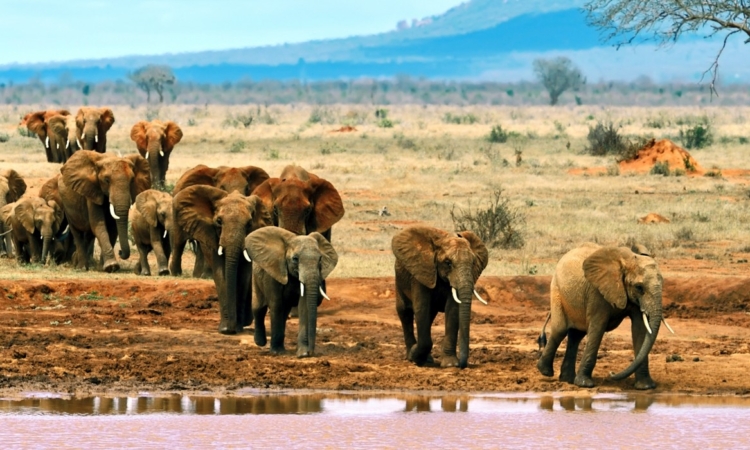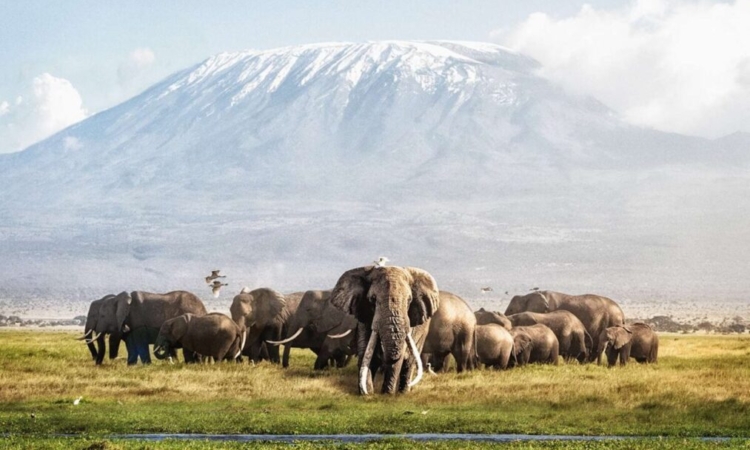
Kenya Travel Tips – Kenya is an East African country known for its large wildlife parks, beautiful landscapes, and Mount Kenya, the second-highest mountain in Africa. Mount Kenya stands at 5,199 meters above sea level, with its highest point at Batian Peak.
Are you planning to visit Kenya? Here are some important things to know before you travel to this amazing safari destination.
Kenya travel tips to help you prepare:
- Talk to a travel doctor before your trip to make sure you get all the needed vaccinations. Check that your vaccines are up to date.
- You need a visa to enter Kenya. The visa is valid for 3 months.
- Your passport must be valid for at least 6 months from your date of entry into Kenya.
- Kenya is a good travel destination all year round. It has many things to offer for work, vacation, or safari. The best time to visit the parks and reserves is during the dry season, from late June to early October.
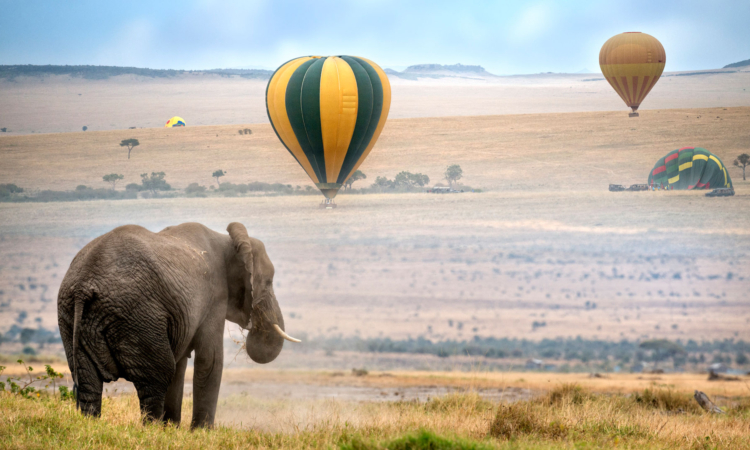
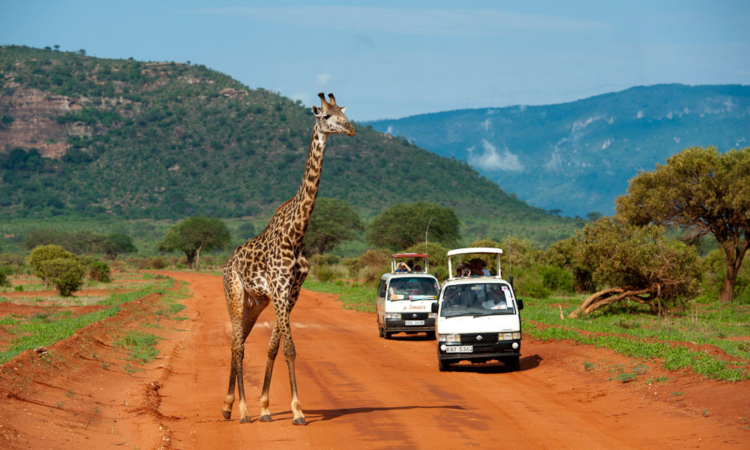
- Go on a safari during your visit. Kenya has many national parks and reserves open to tourists.
- Bring antimalarial medicine and mosquito repellent with you.
- The Kenyan shilling is the local currency. Carry some cash when visiting local markets or rural areas. Debit and credit cards, and US dollars, are widely accepted in cities and hotels.
- Swahili and English are the official languages. English is commonly spoken in tourist areas and cities, so communication is easy.
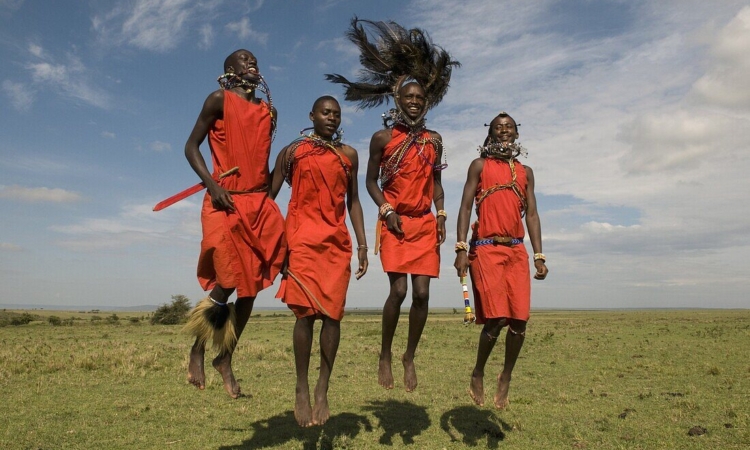
- Dress modestly, especially when visiting religious or cultural sites. Respect local customs. Always ask before taking someone’s photo.
- Visit the Kenya coast for a beach holiday. You can explore marine parks, go snorkeling or diving, and learn about coastal culture and history.
- Use local transport like matatus, boda-bodas, and piki-pikis for a fun and flexible way to move around.
- Bring a universal travel adapter.
- Kenya is generally safe, but always take care of your belongings and stay alert in crowded places.
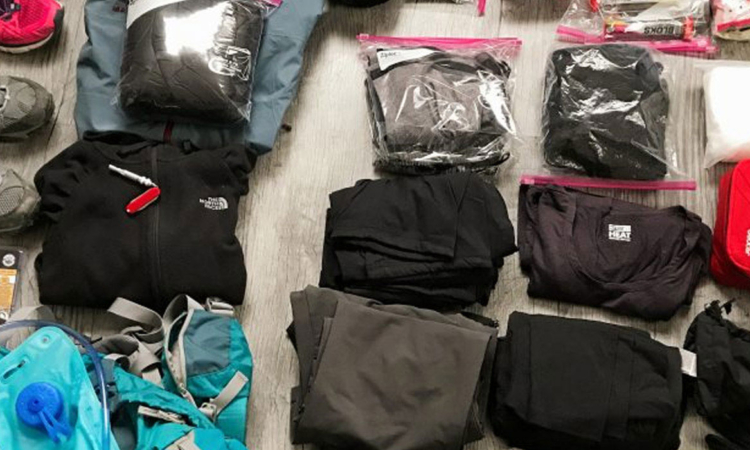
- Pack clothes for both warm and cold weather. Nairobi and the highlands can be cold, while other areas are hot, especially during the dry season.
- Enjoy local food, but drink only bottled or purified water. Avoid tap water.
- When visiting parks and reserves, follow the rules to help protect wildlife and for your own safety.
Book Now